
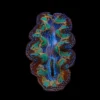
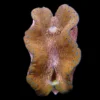
Tridacna gigas, known as the Giant Clam, is the largest species of clam found in the Indo-Pacific region. This 5-6cm juvenile specimen is a captivating addition to mature marine aquariums, offering vibrant mantle patterns and a fascinating symbiotic relationship with photosynthetic algae.
Care Level: Due to its potential size and specialised care needs, Tridacna gigas is recommended for advanced hobbyists with established reef systems.
Feeding and Nutrition: While Tridacna gigas relies heavily on photosynthesis via its symbiotic zooxanthellae, supplemental feeding with phytoplankton or specialised clam foods can support growth and health, especially in lower light conditions.
Lighting Requirements: High-intensity lighting is essential to support the clam’s photosynthetic needs. Metal halide, T5, or strong LED lighting systems are recommended.
Water Flow: Moderate, indirect water flow is ideal to prevent sediment accumulation on the clam’s mantle while ensuring adequate nutrient exchange.
Placement: Position the clam on a stable, sandy or rubble substrate in a well-lit area of the tank. Avoid placing near aggressive corals or fish that may nip at the mantle.
Compatibility and Reef Safety: Tridacna gigas is generally reef safe but should be kept away from predatory invertebrates and fish species known to harass clams. It coexists well with most reef inhabitants when given adequate space.
Tank Size: A minimum tank size of 300 litres is advised to accommodate the clam’s growth and environmental needs.
Origin: Indo-Pacific region.
Maximum Size: Can exceed 120cm in the wild, but typically smaller in captivity.
Reviews
There are no reviews yet.