
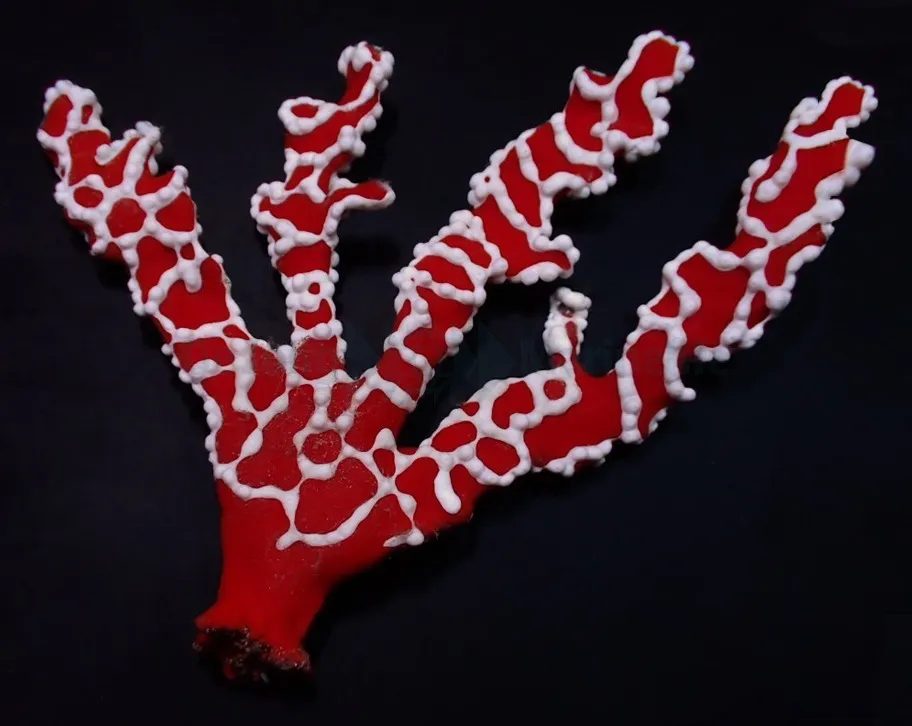
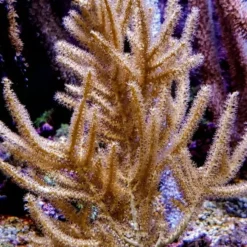
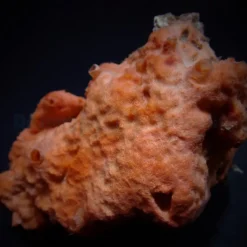
Trikentrion flabelliforme, commonly known as the Spider Sponge, is a fascinating soft coral sponge that adds both visual interest and natural filtration benefits to mature marine reef tanks. This medium-sized specimen is prized for its intricate, fan-like structure and its ability to filter water, contributing to overall aquarium health.
Care Level: Moderate care is recommended. This species is best suited to aquarists with some experience in maintaining stable reef environments.
Lighting Requirements: Moderate lighting is ideal. Avoid intense direct light as this sponge prefers shaded or diffused light conditions similar to its natural habitat.
Water Flow: Moderate water flow is essential to ensure efficient filtration and to prevent detritus accumulation on the sponge surface. Too strong a current may cause tissue damage.
Placement: Position the Spider Sponge in shaded areas of the aquarium, ideally on rockwork or stable substrates where it can attach securely. Ensure adequate spacing from aggressive corals to prevent damage.
Diet: As a filter feeder, Trikentrion flabelliforme absorbs dissolved organic matter and microscopic plankton from the water column. Supplementary feeding with phytoplankton or liquid coral foods can support growth.
Reef Compatibility: Yes, with adequate spacing. This sponge is generally reef safe but should be kept away from aggressive or stinging corals that may harm its delicate tissues.
Origin: Not Provided.
Maximum Size: Medium specimens typically reach up to 10-15 cm in fan width under optimal conditions.
Minimum Tank Size: A minimum of 100 litres is recommended to maintain stable water parameters and provide sufficient space.
FAQs
Q: How often should I feed the Spider Sponge?
A: Feeding is not always necessary if the aquarium has a healthy plankton population, but supplementing with phytoplankton once or twice weekly can promote growth.
Q: Can this sponge tolerate strong lighting?
A: No, it prefers moderate to low lighting conditions to avoid tissue stress.
Q: Is the Spider Sponge safe with fish and invertebrates?
A: Yes, it is generally reef safe but avoid placing it near aggressive corals or animals that may nip at it.

Reviews
There are no reviews yet.